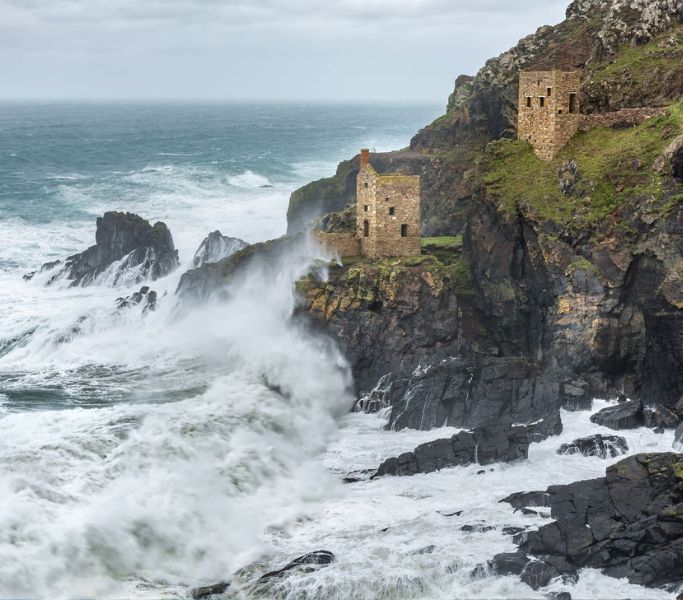
Cornwall has a way of getting under your skin. Perhaps it's the light — that luminous, salt-washed glow that has drawn artists here for centuries. Perhaps it's the coastline, where granite cliffs plunge into turquoise water so vivid you'd swear you were somewhere in the Mediterranean. Whatever it is, this far-flung corner of England delivers experiences you simply cannot find anywhere else in the country.
Whether you're after world-class surfing, Michelin-starred seafood, ancient ruins steeped in Arthurian legend, or simply a cream tea with a view, here are the very best things to do in Cornwall.
Watch a Show at the Minack Theatre
Carved into the granite cliffside above Porthcurno Beach, the Minack Theatre is one of the most spectacular open-air venues on earth. Founded in the 1930s by the remarkable Rowena Cade, who built much of it by hand, the theatre stages a full summer season of plays, musicals, and opera from May to September. Even if you don't catch a performance, the gardens and exhibition centre are worth the visit alone. Arrive early for the best seats and watch the sun set over the Atlantic as the curtain rises.
Practical info: The theatre is open daily from 10am to 5pm for visitors (later on performance evenings). Tickets for shows typically range from £15 to £20 for adults. Booking ahead is strongly recommended during July and August. Wrap up warm — the sea breeze can be brisk even in summer.
Explore the Eden Project
Housed in enormous geodesic biomes nestled in a former china clay quarry near St Austell, the Eden Project is a genuinely awe-inspiring place. The Rainforest Biome is the largest indoor rainforest in the world, a steamy, towering cathedral of tropical plants, waterfalls, and walkways suspended high in the canopy. The Mediterranean Biome transports you to sun-baked olive groves and citrus orchards. Outside, the sweeping gardens showcase plants from Cornwall's own temperate climate.
Beyond the botany, Eden hosts concerts, ice skating in winter, and zip-wire rides across the crater. It's a full day out.
Practical info: Open daily from 10am, with last entry at 3:30pm in winter and 5pm in summer. Adult tickets cost around £32.50 online (cheaper than on the gate). Arrive by 10am to beat the queues, especially in school holidays. There's a 10% discount if you arrive by bike or public transport.
Surf at Fistral Beach, Newquay
Fistral is the spiritual home of British surfing — a wide, sandy crescent that catches Atlantic swells with reliable consistency. Whether you're a complete beginner or an experienced wave-rider, this is the place. Numerous surf schools line the beach, offering lessons from around £35 for a two-hour group session including wetsuit and board hire. The annual Boardmasters festival in August transforms the headland into a massive celebration of surf culture and live music.
For something quieter, head to nearby Crantock Beach or Watergate Bay, where the crowds thin and the waves are just as good.
Practical info: The beach has lifeguard cover from May to September. Parking is pay-and-display and fills quickly in summer — arrive before 10am or use the park-and-ride. Water temperatures range from about 9°C in winter to 17°C in late summer; a good wetsuit is essential year-round.
Walk the Coast Path to Kynance Cove
Kynance Cove on the Lizard Peninsula is arguably Cornwall's most beautiful beach — a sheltered crescent of white sand framed by dramatic serpentine rock stacks, sea caves, and impossibly clear water. The best approach is on foot along the South West Coast Path from the Lizard Point car park, a walk of about a mile each way that offers heart-stopping views at every turn.
At low tide, you can explore the caves and rock pools. The small beach cafe serves excellent pasties and crab sandwiches. Just be mindful of the tides — the beach largely disappears at high water.
Practical info: National Trust car park charges apply (free for members). The cafe is seasonal, typically open from Easter to October. Check tide times before you go — the beach is best visited within two hours either side of low tide. The coast path walk is moderately easy but includes steps and uneven ground.
Step Back in Time at Tintagel Castle
Perched on a wild, windswept headland on the north coast, Tintagel Castle has been associated with the legend of King Arthur since Geoffrey of Monmouth wrote about it in the 12th century. Today, English Heritage manages the dramatic ruins, which span both the mainland and a rocky island connected by a striking modern footbridge. The remains date mostly from the 13th century, but archaeological digs have uncovered evidence of a high-status settlement here from the 5th and 6th centuries — right in the supposed Arthurian period.
The clifftop setting is extraordinary. Far below, Merlin's Cave cuts through the headland, accessible at low tide from the beach.
Practical info: Managed by English Heritage. Adult admission is around £17 (members free). Open daily from 10am; closing times vary seasonally. The site involves steep steps and uneven terrain — allow at least two hours. The village of Tintagel itself has several good cafes and a quirky old post office (actually a 14th-century manor house) managed by the National Trust.
Feast on Seafood in Padstow
Padstow has been synonymous with exceptional seafood ever since Rick Stein opened his first restaurant here in 1975. The harbourside town — affectionately nicknamed "Padstein" — now boasts multiple Stein establishments alongside a thriving independent food scene. For the classic experience, grab fish and chips from Stein's Fish & Chips on South Quay, or splash out on the tasting menu at Paul Ainsworth at No. 6, which holds a Michelin star.
For something more casual, Prawn on the Lawn serves stunning small plates of the freshest catch, while the Basement Bar at the Seafood Restaurant is perfect for oysters and a glass of Camel Valley sparkling wine.
Practical info: Padstow is extremely popular in summer. Visit in May, June, or September for better availability and a more relaxed atmosphere. Booking ahead is essential for sit-down restaurants. The Camel Trail cycle path runs from Padstow to Bodmin — a lovely, flat ride along the estuary that works up a proper appetite.
Discover St Ives and the Tate
St Ives is a place of extraordinary beauty — a jumble of whitewashed cottages, narrow lanes, and golden beaches set around a sheltered harbour. The light here has attracted artists for over a century, from Turner and Whistler to Barbara Hepworth and Patrick Heron. Tate St Ives, reopened in 2017 after a major extension, showcases modern and contemporary art with panoramic ocean views from its galleries.
Just around the corner, the Barbara Hepworth Museum and Sculpture Garden preserves the artist's studio and garden exactly as she left them — a deeply atmospheric experience. Afterwards, wander down to Porthmeor Beach for a swim or stroll along the harbour to watch the fishing boats come in.
Practical info: Tate St Ives is open daily from 10am to 5pm (10am to 4pm November to February). Combined tickets for the Tate and Hepworth Museum cost around £16 for adults. St Ives is notoriously difficult for parking — use the park-and-ride from Lelant Saltings, which arrives by scenic branch-line train.
Kayak Around the Roseland Peninsula
The Roseland Peninsula is one of Cornwall's best-kept secrets — a lush, subtropical headland between the River Fal and the sea. The best way to experience it is from the water. Several operators run guided kayak tours from St Mawes or the Percuil River, paddling along a coastline of hidden coves, wooded creeks, and the remarkably well-preserved St Mawes Castle.
Keep your eyes peeled for grey seals, basking sharks (in summer), and the occasional dolphin. The waters here are sheltered, making it suitable for beginners.
Practical info: Guided kayak tours typically cost £40 to £55 per person for a half-day session. St Mawes is reached by road or by the King Harry Ferry across the Fal. The pretty churchyard of St Just in Roseland, set in subtropical gardens running down to a tidal creek, is worth a detour — widely considered one of the most beautiful churchyards in England.
Visit the Lost Gardens of Heligan
Before the Eden Project, there was Heligan. These remarkable gardens near Mevagissey were the passion project of the Tremayne family for over 400 years before being abandoned and swallowed by brambles during the First World War. Their extraordinary restoration, begun in 1990 by Tim Smit (who later went on to create Eden), is one of the great garden stories of modern Britain.
Today, the 200-acre estate encompasses a productive kitchen garden, subtropical jungle valley, ancient woodland, and a pioneering wildlife project. The famous Mud Maid — a living sculpture carpeted in moss and plants — is not to be missed.
Practical info: Open daily from 10am to 5pm (4pm in winter). Adult admission is around £18.50. Allow at least three hours, more if you want to explore the woodland walks. The on-site cafe is excellent, specialising in food grown in Heligan's own gardens.
Catch the Sunset from Land's End
The westernmost point of mainland England is a cliché for good reason. Stand on the granite cliffs at Land's End on a clear evening and watch the sun drop into the Atlantic, and you'll understand why people have been making pilgrimages here for centuries. Yes, the visitor centre is touristy, but the coastline itself is magnificent — raw, wild, and surprisingly quiet once you walk a few hundred metres along the coast path in either direction.
For a less crowded alternative with equally dramatic views, try Sennen Cove, just a mile to the north, where a crescent of golden sand faces due west — perfect for sunset watching.
Practical info: The Land's End complex has free entry but charges around £7 for car parking. The various attractions (4D cinema, exhibitions) cost extra and are skippable. For the best experience, arrive an hour before sunset and walk south along the coast path towards Gwennap Head. The First and Last pub at Sennen is a fine spot for a post-sunset pint.
Ride the Steam Train on the Bodmin and Wenford Railway
For a dose of nostalgia, board one of the beautifully restored steam locomotives at Bodmin General station. The Bodmin and Wenford Railway runs regular services through the wooded Bodmin Parkway corridor, offering a gentle, scenic journey that delights children and adults alike. Special events throughout the year include cream tea trains, gin trains, and atmospheric Santa specials in December.
Practical info: Services run from April to October, with additional dates for special events. A standard return fare is around £14 for adults and £8 for children. The railway connects with the mainline at Bodmin Parkway, making it accessible by public transport.
Explore the Harbour Village of Mousehole
Pronounced "Mowzul" by locals, this tiny fishing village near Penzance is often cited as the prettiest in Cornwall. Its granite cottages cluster tightly around a diminutive harbour, and the lanes are barely wide enough for two people to pass. Visit on a quiet weekday morning and you might have the place almost to yourself.
Mousehole is famous for its spectacular Christmas lights display — the harbour is illuminated from mid-December through early January, drawing visitors from across the county. The village is also home to the outstanding 2 Fore Street restaurant, which serves creative modern British cooking in an intimate harbourside setting.
Practical info: Parking in Mousehole is extremely limited. Use the car park at the top of the village and walk down. The Coastguard Bar, perched above the harbour, serves local ales with possibly the best pub view in Cornwall. For the Christmas lights, visit on a weekday evening to avoid the worst crowds.
Quick Tips for Visiting Cornwall
- Getting around: Cornwall's roads are narrow and can be congested in summer. Consider using branch-line trains (the St Ives and Looe lines are particularly scenic) and local buses where possible.
- Cream tea etiquette: In Cornwall, it's jam first, then cream. Do not under any circumstances do it the Devon way (cream first) — you will be corrected.
- Best months: May, June, and September offer the best balance of good weather and manageable crowds. July and August are busy but buzzing with festivals and events.
- Wild swimming: Cornwall has dozens of superb wild swimming spots. Porthcurno, Kynance Cove, and the tidal pool at Bude are standouts. Always check conditions and never swim alone.
- Cornish pasty protocol: A proper Cornish pasty has a Protected Geographical Indication — it must be made in Cornwall to carry the name. Look for the crimped edge on the side, not the top. Ann's Pasties in The Lizard and Philps in Hayle are local favourites.
- Book ahead: Popular restaurants, surf lessons, and holiday accommodation fill up months in advance for peak season. Plan early for the best experience.